
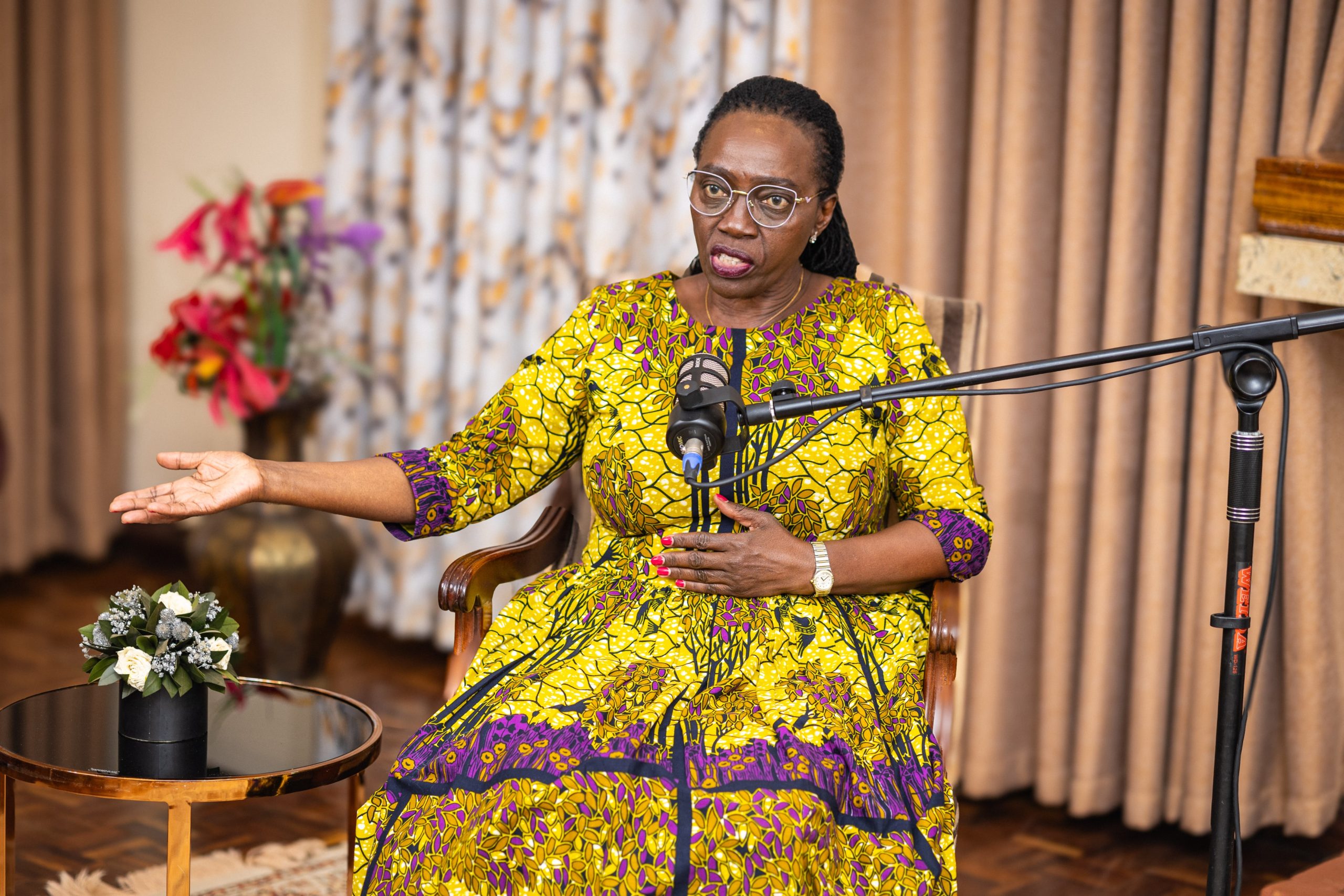
Before Kenya got the 2010 Constitution, there were decades of activism, political struggle and legal reform that laid the groundwork for it.
In the first episode of Katiba @ 16, Hon. Martha Karua reflects on that journey, drawing from her own experience as a lawyer, activist, legislator and participant in the constitutional review process.
Hon. Karua was the Member of Parliament for Gichugu Constituency for 20 consecutive years and served in the 13th Parliament, the Parliament that ushered in the 2010 Constitution. She was part of the committee that reviewed the Constitution and later served on the Committee of Implementation following the 2010 referendum. In her words, she was one of the “midwives” of the Constitution.
But her journey into constitutional reform began much earlier.
From the Judiciary to Activism
Karua began her career as a magistrate in July 1981, serving in Nakuru and several stations in Nairobi, including as the head of Makadara Law Courts and later Kibera Law Courts.
She left the judiciary in 1987 and entered legal practice. It was through legal practice that she became increasingly involved in activism during the KANU era, as democratic space narrowed.
As a young lawyer, barely 30, Karua and other lawyers began challenging the leadership of the Law Society of Kenya, which they felt was not sufficiently standing up for rights under the LSK Act. When the leadership failed to convene meetings they had requisitioned, the lawyers convened them themselves.
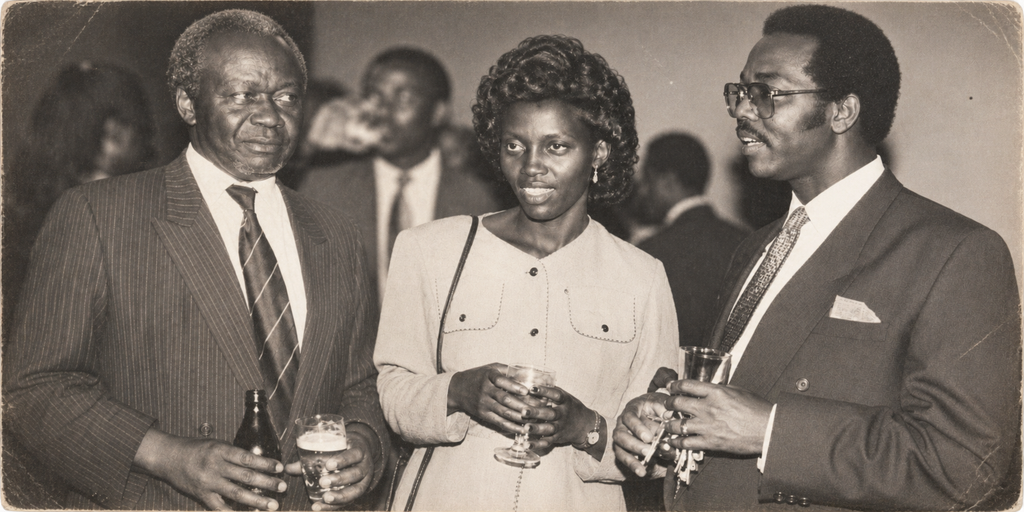
Some of these meetings were held at the Intercontinental Hotel, where police were sometimes sent to prevent the lawyers from meeting.
For Karua, this was where activism was born out of necessity. Lawyers had a legal right to assemble, yet the government was restricting that freedom.
She draws a connection between that period and the present, noting that Kenyans today have a constitutional right to assemble under the 2010 Constitution. The difference, in her view, is that while courts at the time often did not stand up for activists, there are now judges and magistrates who can interpret and apply the Constitution in their favour.
Karua also recalls cases where political speech was turned into criminal charges. She refers to Kyiwam and his co-accused, who were charged with treason over a pamphlet carrying the words “we shall fight for our rights.” The government, she says, treated the word “fight” literally.
She describes this as lawfare: the use of legal processes in politically motivated ways. She draws parallels with cases involving opposition figures in Uganda and Tanzania, including Bobi Wine and Tundu Lissu.
Her broader warning is that democratic space, after becoming more open, can begin to close again. For her, that makes defending the 2010 Constitution an ongoing responsibility.
The 1992 Elections and the Cost of Political Disunity
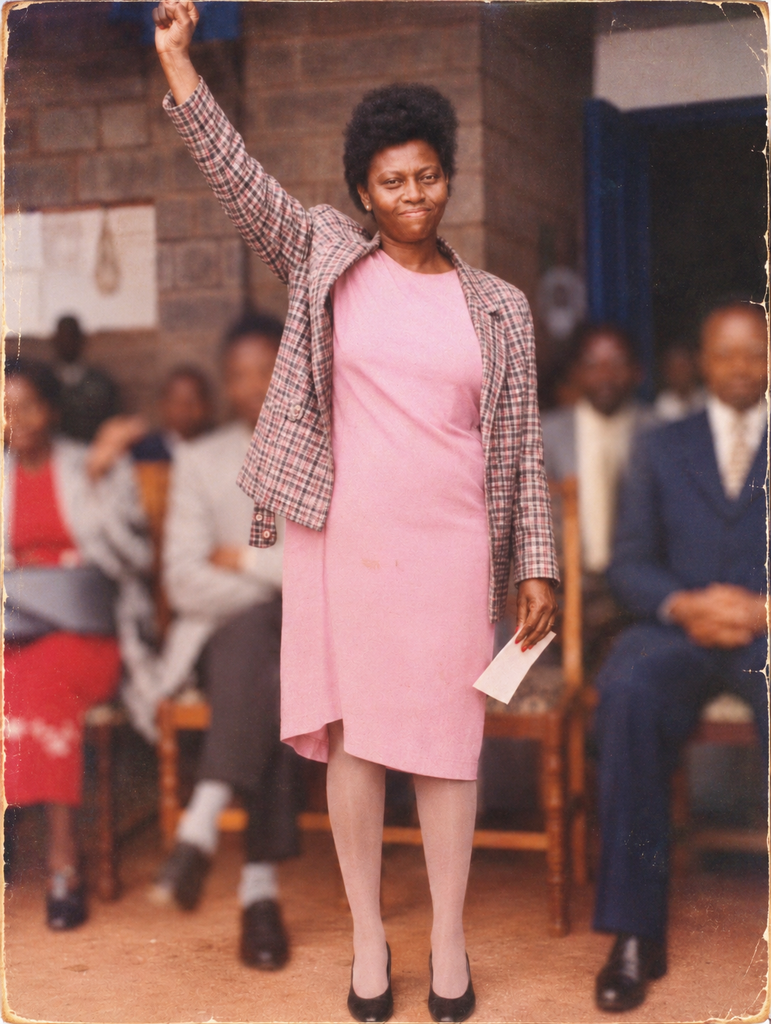
Karua’s activism eventually made her a household name in Kenya. When Kenya returned to multiparty politics in 1992, she ran for Parliament and was elected Member of Parliament for Gichugu Constituency.
The 1992 election also demonstrated the political cost of a divided opposition. Mwai Kibaki’s Democratic Party, Kenneth Matiba’s FORD-Asili and Jaramogi Oginga Odinga’s FORD-Kenya collectively received 67% of the vote, but KANU won with 33% after the opposition vote was split.
Karua also points to the delimitation of constituencies as another factor that prevented the opposition’s share of the vote from translating into parliamentary power. KANU retained a parliamentary majority, leaving opposition MPs with limited ability to pass legislation.
It was against this background that civil society and political actors began pushing for reforms ahead of the 1997 elections under the call “No Reform, No Election.”
Bringing the Reform Fight Into Parliament
While many political leaders and civil society actors gathered at Ufungamano, Karua chose to pursue reform through Parliament. Her position was not that she disagreed with the movement outside Parliament, but that, as an elected representative, she needed to make full use of the parliamentary forum.
MPs from different political sides came together and established an initiative for constitutional and legal reform. At a time when confrontations between demonstrators and police were becoming increasingly violent, the parliamentary process provided another avenue for pursuing change.
The initiative received live coverage from KBC, and Parliament provided a secretariat for the work. Three committees were formed, including a constitutional committee and a legal reforms committee. Karua served on the constitutional committee, which had 20 members.
The work that followed would produce reforms that helped lay the foundation for the later constitutional review process.
Reforming the Law Before Rewriting the Constitution
Among the reforms was the removal of discrimination based on sex. Karua recalls that the old Constitution used the word “sex” rather than “gender.”
The reforms also addressed representation. Of the 12 nominated parliamentary seats, an amendment provided that nominees would include both men and women, six each; and that the seats would be shared among parties according to their parliamentary strength.
This was significant because previously KANU could nominate all the members despite the opposition having won a larger share of the vote.
A similar provision was introduced for local authorities. The changes ensured that women would be nominated to county councils across the country.
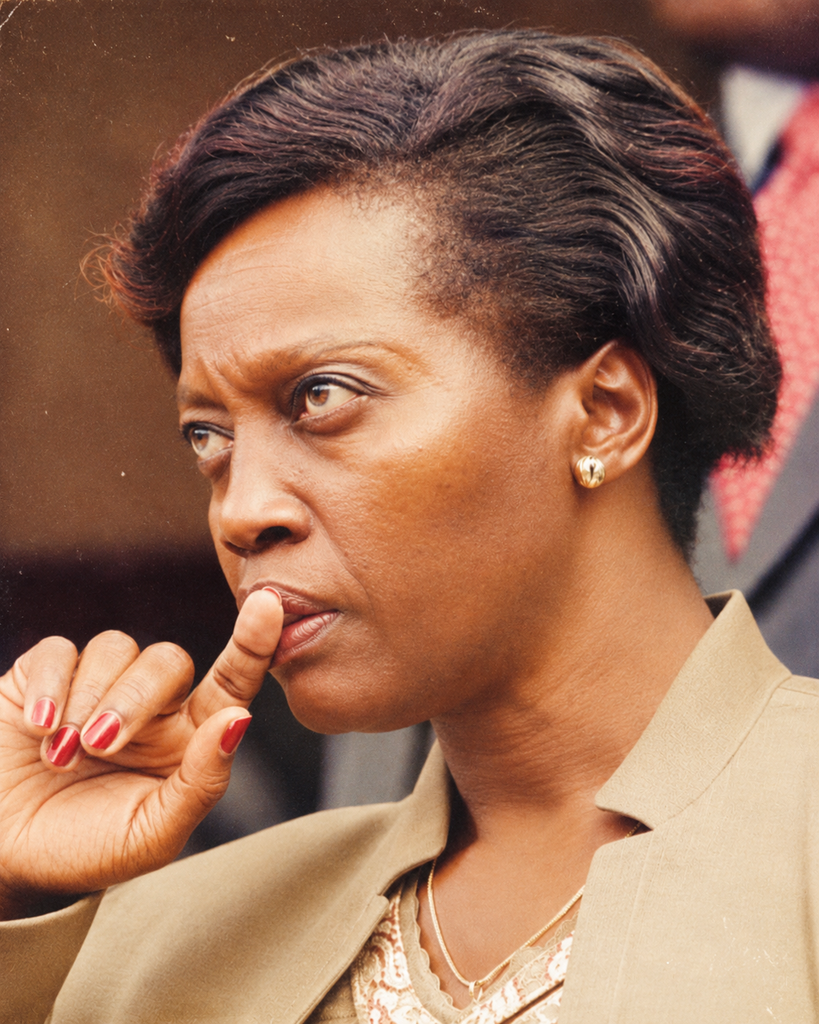
It was not a 50/50 system, but Karua describes the change as revolutionary because there was no party or county council without a woman.
These reforms, she says, helped pave the way for the constitutional review process that followed.
The Beginning of the Constitutional Review Process
After being re-elected in 1997, Karua and other parliamentarians formed the Inter-Parties Parliamentary Committee to steer constitutional and legal reforms.
In drafting the Constitution of Kenya Review Act of 1998, they included a provision that one-third of the membership of all organs involved in the review process would be women.
Karua identifies this as an early point in the development of gender quotas in Kenya, even though the term itself was not being used at the time.
A broader meeting involving parliamentarians, civil society and political parties was then convened to select the committee that would drive the review process. Karua and Professor Wanjiku Kabira were appointed joint secretaries of the 15-member committee, which included five women.
The review architecture that followed included the constitutional commission, committees at the local level and a national convention or conference. Because the review organs were required to have at least one-third women, gender representation became part of the structure through which the constitutional review was undertaken.
There was, however, one major exception: Parliament itself.
In the 1997 elections, only four of the six women MPs who had been elected or nominated previously returned. Although the law required six of the 12 nominated seats to go to women, KANU nominated seven men and five women after Moi won a second term.
Karua and others challenged the decision in court, but the case was never determined before the parliamentary term ended. By then, the political landscape had changed, and Mwai Kibaki had come to power.
Karua’s account of the period shows that the 2010 Constitution did not emerge in isolation. Its foundations were built through years of legal activism, political negotiations and attempts to expand representation and democratic space; long before the final constitutional document was put to a referendum.