Back

Kenya’s Road to 10 August 2027: Every ORPP and IEBC Deadline You Need To Know

Kenya votes on 10 August 2027. Our Kenya 2027 election timeline sets out every ORPP and IEBC deadline that matters before then, and explains why each one counts.

November 5, 2026 7 min read

Between November 2026 and August 2027, Kenya’s political parties must settle their rules, sign their coalitions and choose their candidates before the country votes on Tuesday, 10 August 2027.

This guide sets out every deadline on the Kenya 2027 election timeline, explains what each one means, and shows you where to verify it.

Six Dates That Shape The Kenya 2027 Election Timeline
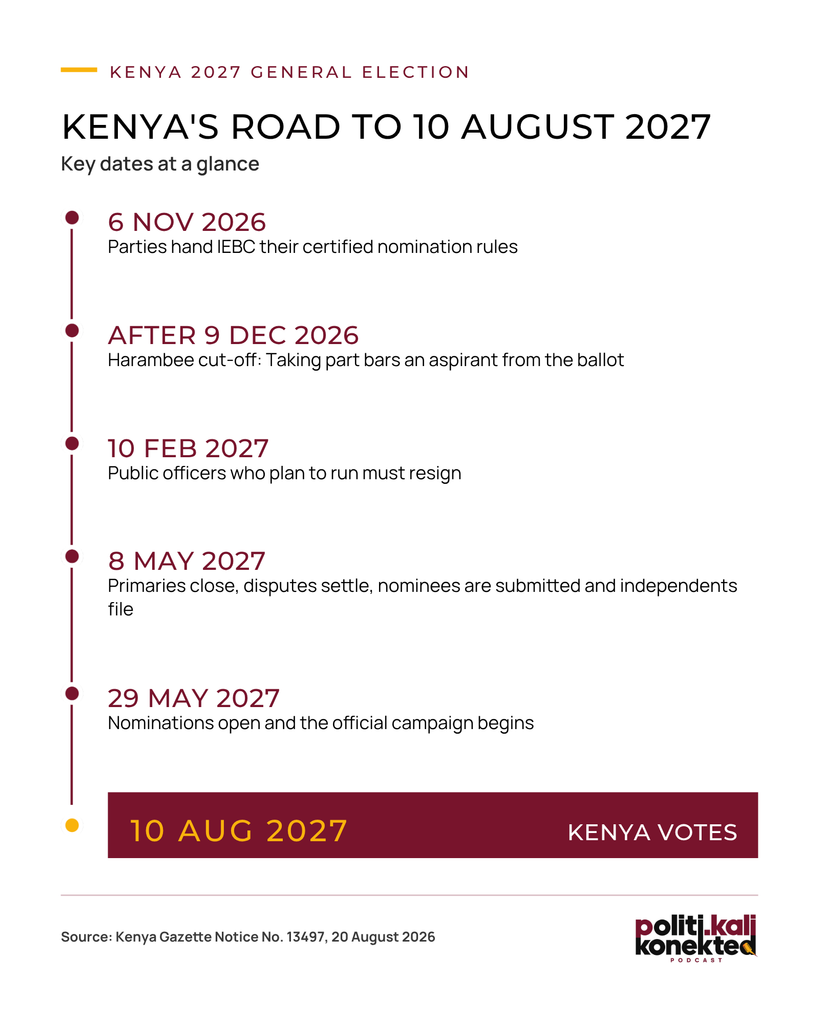
Timeline of key dates for Kenya's 2027 General Election, from 6 November 2026 to Election Day on 10 August 2027

Look closely and the calendar splits in two. Everything up to 8 May 2027 belongs to the parties and the people competing for their tickets. From 29 May, however, the contest moves into IEBC’s hands and onto the campaign trail.

In other words, the first half decides who runs, and the second half decides how they run.

Who Enforces The Rules?

Did you know two separate institutions oversee Kenya’s election calendar?
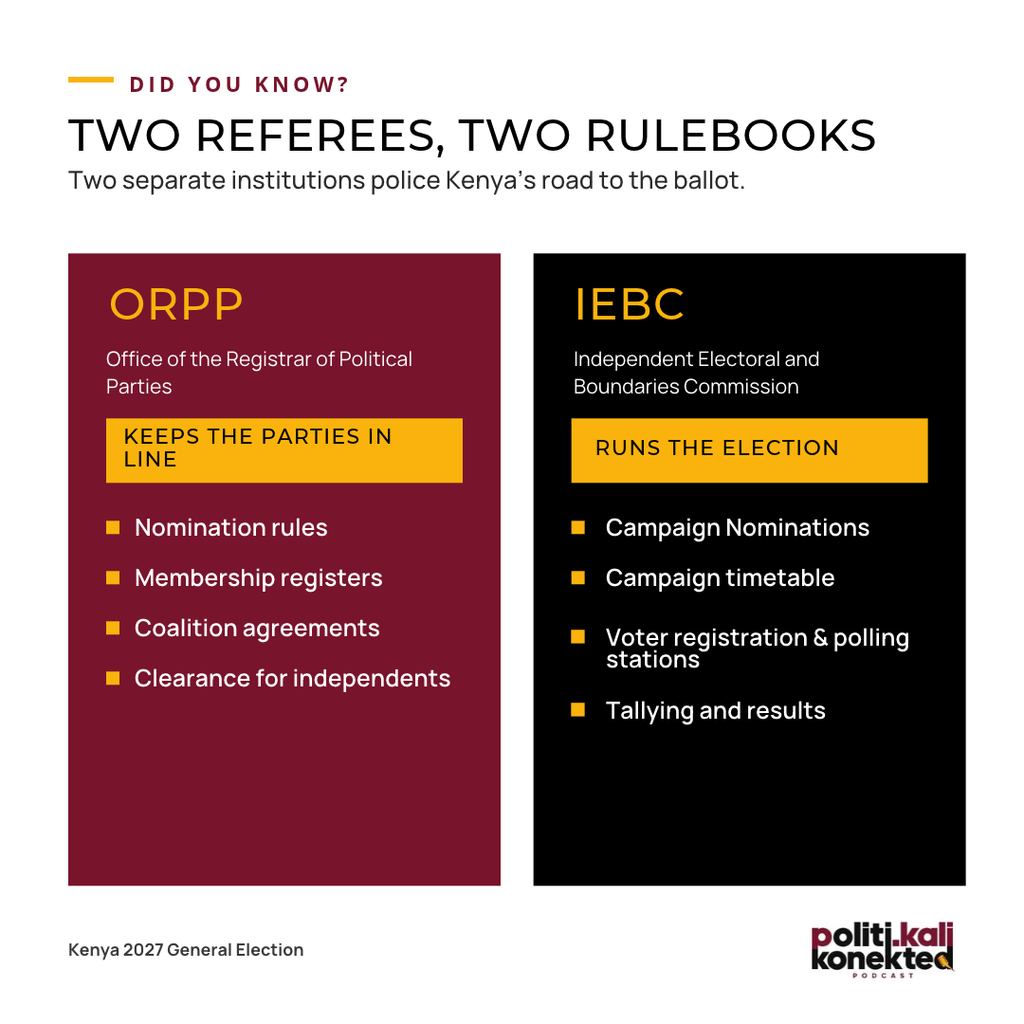
Side-by-side comparison of the roles of ORPP and IEBC in the 2027 General Election

The split matters most when something goes wrong. For example, a complaint about how a party ran its primaries or kept its membership register starts inside the party, through its internal dispute mechanisms. From there, it can go to the Political Parties Disputes Tribunal.

A complaint about a nomination lodged with IEBC, on the other hand, goes to the commission itself. Knowing which referee to approach saves aspirants precious time.

ORPP: Getting The Parties In Order

Before a single candidate is chosen, every party must prove it plays by the rules. ORPP’s Salient Processes and Timelines for the 10 August 2027 General Election, drawn from the Political Parties Act and the Elections Act, set out what each party owes the Registrar.

Date / PeriodORPP Requirement
28 September to 16 October 2026Political parties submit their election and nomination rules.
7 to 15 October 2026Parties submit the names and specimen signatures of authorised officials to ORPP and IEBC.
30 October 2026Deadline for ORPP to certify party nomination rules.
6 November 2026Parties submit certified nomination rules to IEBC.
By 23 March 2027Party membership registers are due for certification by the Registrar.
12 April 2027Deadline for submitting agreements to form a coalition political party.
8 May 2027Deadline for party members intending to run as independents to resign from their parties.
9 May 2027Deadline for submitting pre-election coalition agreements for confirmation.

The first cluster of deadlines, running from late September to 6 November 2026, lays the foundation for everything that follows. Nomination rules are the playbook for every primary. As a result, a party whose rules fail certification starts the race on the back foot.

The 12 April 2027 cut-off for coalition political parties is where months of alliance talk must become signed agreements. Which of the partnerships announced along the way will make it onto paper?

IEBC: The Legally Binding Timetable

Once parties are in order, IEBC takes over. Its dates come from Gazette Notice No. 13497 and the related notices of 20 August 2026, and they carry the force of law.
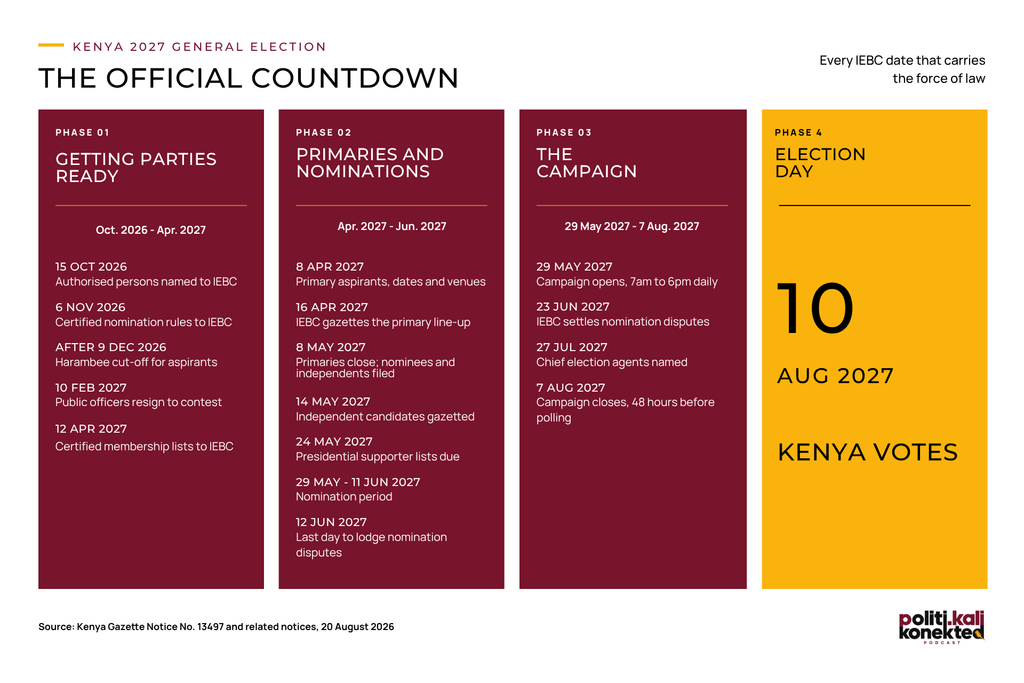
IEBC's official 2027 General Election timetable in four phases: getting parties ready, primaries and nominations, the campaign, and Election Day

The Office of the Registrar of Political Parties (ORPP) keeps parties in line: their nomination rules, membership registers and coalition deals. The Independent Electoral and Boundaries Commission (IEBC) runs the election itself, from candidate nominations to the polling station and the final tally.

IEBC gave formal notice of the 2027 General Election in the Kenya Gazette on 20 August 2026, setting binding dates for every party and aspirant. Its Election Operation Plan 2025-2027 maps the logistics behind those dates, while ORPP has published its own compliance calendar for parties and would-be independents.

The Fine Print

A few details sit behind the dates in the countdown:

· Indirect Participation Counts: The harambee rule covers taking part in a public fundraiser directly or indirectly.

· Presidential Supporter Lists: By 24 May 2027, presidential aspirants must submit the names of at least 2,000 registered voters in each of a majority of Kenya’s counties.

· Nomination Windows Vary: The nomination window differs by elective seat, from 29 May to 11 June 2027, and only the presidential window runs the full period.

· Campaign Hours: Campaigning is allowed from 7am to 6pm daily and closes 48 hours before polling.

· Nomination Disputes: These must be lodged by 12 June 2027, and IEBC must decide them by 23 June 2027.

Why These Dates Matter

The Harambee Cut-Off. Public fundraising has long been one of the most visible ways Kenyan politicians court voters. After 9 December 2026, however, taking part in one, directly or indirectly, disqualifies an aspirant. Expect a flurry of fundraisers before the cut-off and some careful choreography after it.

The February Exits. The 10 February 2027 resignation deadline is the first hard test of ambition. It will show who is serious about running, and it may also bring a wave of high-profile departures from government.

Less Time To Pick Flag Bearers
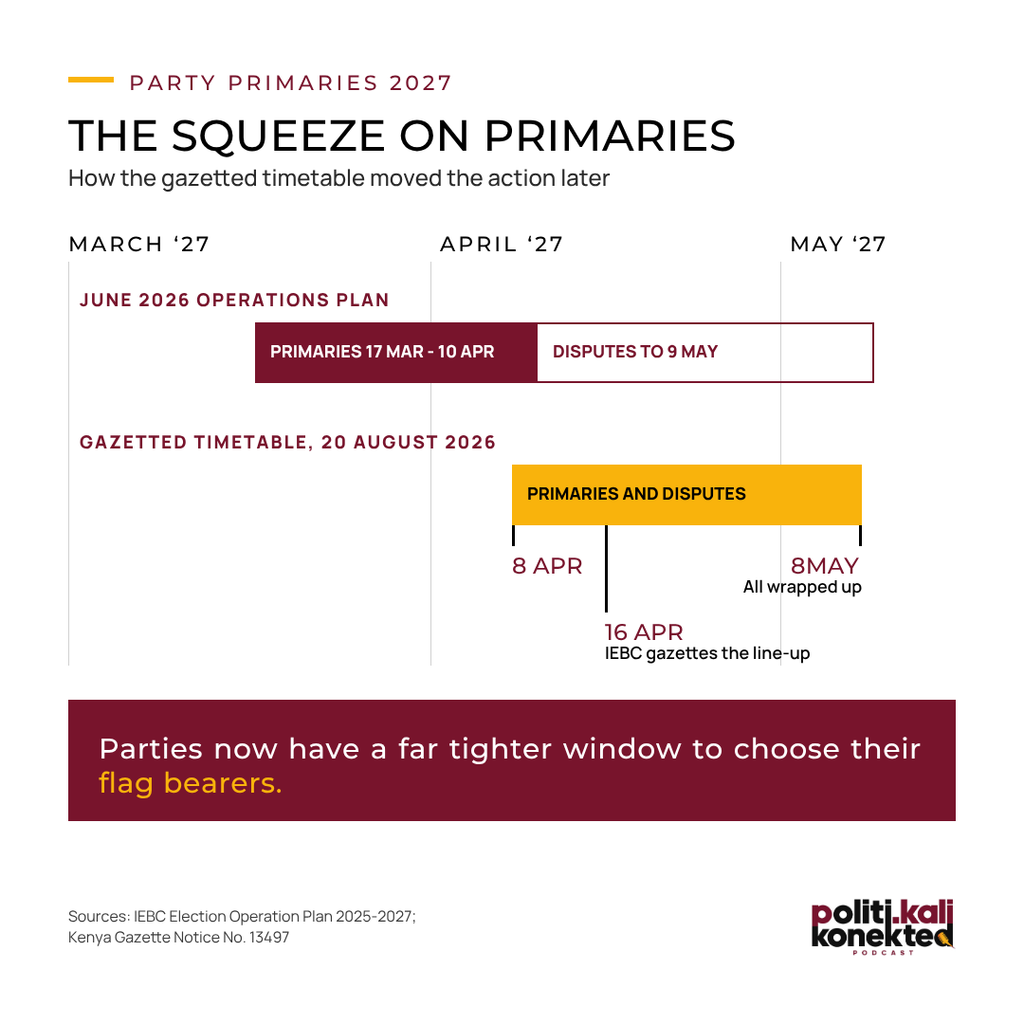
Chart comparing the June 2026 plan's party primaries window with the gazetted timetable, which compresses primaries and disputes into 8 April to 8 May 2027

Behind those dates sits a logistical crunch. Under the gazetted timetable, vetting aspirants, running primaries and hearing appeals share roughly a month. Consequently, every internal dispute that drags on eats into the time left to submit nominees, and party dispute committees will be working against the clock.

Why 8 May 2027 Is The Pressure Point
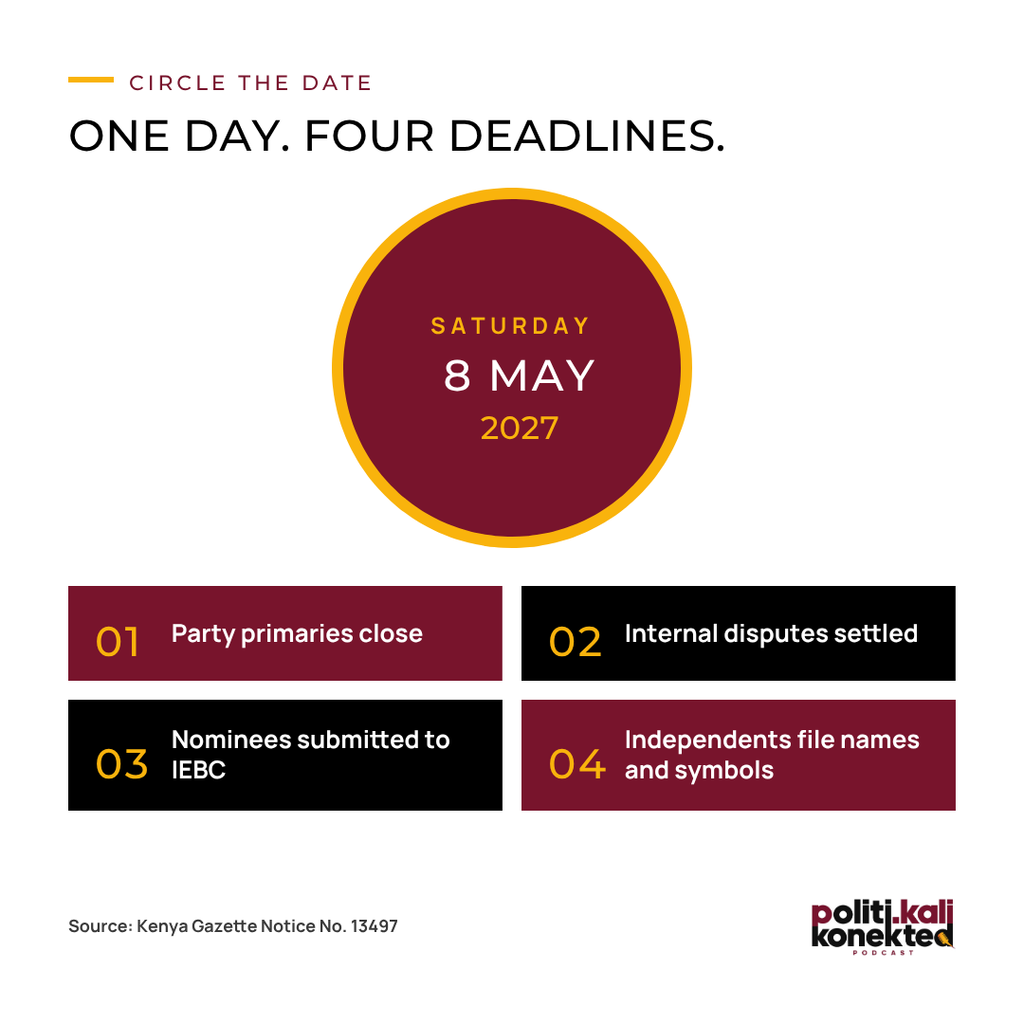
Saturday 8 May 2027 on the Kenya 2027 election timeline: party primaries close, internal disputes settled, nominees submitted to IEBC and independents file names and symbols

The overlap carries a sting. An aspirant who loses a primary close to the cut-off has little or no room left to resign and file as an independent. In short, the old route of losing a primary on Friday and declaring an independent bid on Monday is effectively closed.

Meanwhile, the pressure continues into the next day. Pre-election coalition agreements are due at ORPP on 9 May 2027, so coalition partners must finalise their deals just as their nominee lists land at IEBC.

IEBC’s Operational Plan Behind The Kenya 2027 Election Timeline

Laws set the deadlines; logistics deliver the vote. The Election Operation Plan 2025-2027 schedules the staffing, technology and polling-station work running alongside the political calendar.

Date / PeriodPlanned IEBC Activity
29 March to 26 June 2027Recruitment of temporary election officials.
28 to 29 April 2027Appointment and gazettement of Returning Officers.
5 to 9 June 2027Testing and verification of election technology.
4 to 8 July 2027Gazettement of polling stations.
1 to 3 August 2027Display of the voter register at polling stations.

These operational dates may shift as IEBC issues further notices. Where the plan and the gazetted timetable differ, the Gazette prevails.

The technology test in June is the one to watch. After the scrutiny of past elections, how IEBC’s systems perform under pressure will shape public confidence long before a single ballot is cast.

Practical Pointers For Every Player
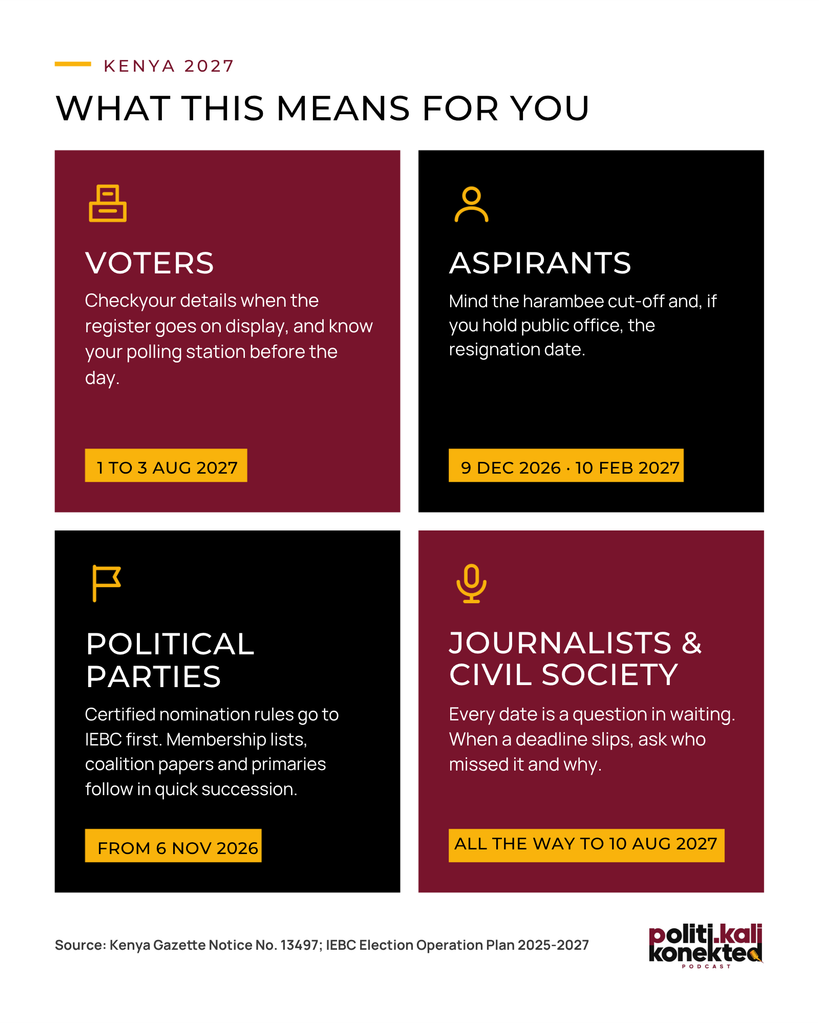
Key actions and dates for voters, aspirants, political parties, and journalists and civil society ahead of the 2027 General Election

Beyond the dates in the graphic, a few habits will help:

· Voters: The register display runs for just three days and ends a week before polling. Confirm your name, ID details and polling station in that window, and plan your visit early.

· Aspirants: Keep a copy of your party’s certified nomination rules. If you challenge a primary result, the dispute will be judged against those rules.

· Political Parties: Publish your primary schedule and dispute procedures early. Aspirants who know the rules in advance are less likely to contest results, which protects the narrow window before nominations close.

· Journalists and Civil Society: Compare the operational plan with the gazetted timetable as the year unfolds. Where the two drift apart, there is usually a story.

Where Can You Verify The Kenya 2027 Election Timeline?

a. Office of the Registrar of Political Parties (ORPP)

· Official ORPP website

· ORPP downloads

b. Independent Electoral and Boundaries Commission (IEBC)

· Official IEBC website

· Election Operation Plan 2025-2027

· IEBC election timelines

c. Kenya Gazette

· The official publication for formal legal notices, including the election date and statutory deadlines.

· IEBC published Gazette Notice Nos. 13497 to 13503 on 20 August 2026 (Vol. CXXVIII, No. 144), followed by Notice No. 13771 on 26 August 2026.

· For formal verification, read the relevant Gazette entries alongside the commission’s official notices.

Kenya 2027 Election Timeline: Frequently Asked Questions

 When is Kenya’s next General Election?

Tuesday, 10 August 2027, as gazetted by IEBC on 20 August 2026.

What is the difference between ORPP and IEBC?

ORPP regulates political parties, including their nomination rules, membership registers and coalition agreements. IEBC conducts the election, from candidate nominations to polling and results.

When must party primaries be completed?

By Saturday, 8 May 2027, including the resolution of any internal party disputes.

When must public officers resign to run in 2027?

On or before Wednesday, 10 February 2027.

What is the harambee ban?

Anyone who takes part in a public fundraiser or harambee after 9 December 2026, directly or indirectly, is disqualified from contesting in the 2027 General Election.

When does the campaign period start and end?

It runs from Saturday, 29 May 2027 to Saturday, 7 August 2027, between 7 am and 6 pm each day.
Back

The Broken Promise of a Constitution and Why I Had to Quit Cabinet | Martha Karua, SC

Martha Karua on Kenya’s stalled constitutional review, the 2005 referendum and why she quit cabinet.

October 27, 2026 8 min read

Kenya’s 2010 Constitution was the result of a long and contested process. Before its adoption, constitutional reform repeatedly ran into political divisions, disputes over power and disagreements over how the country should be governed.

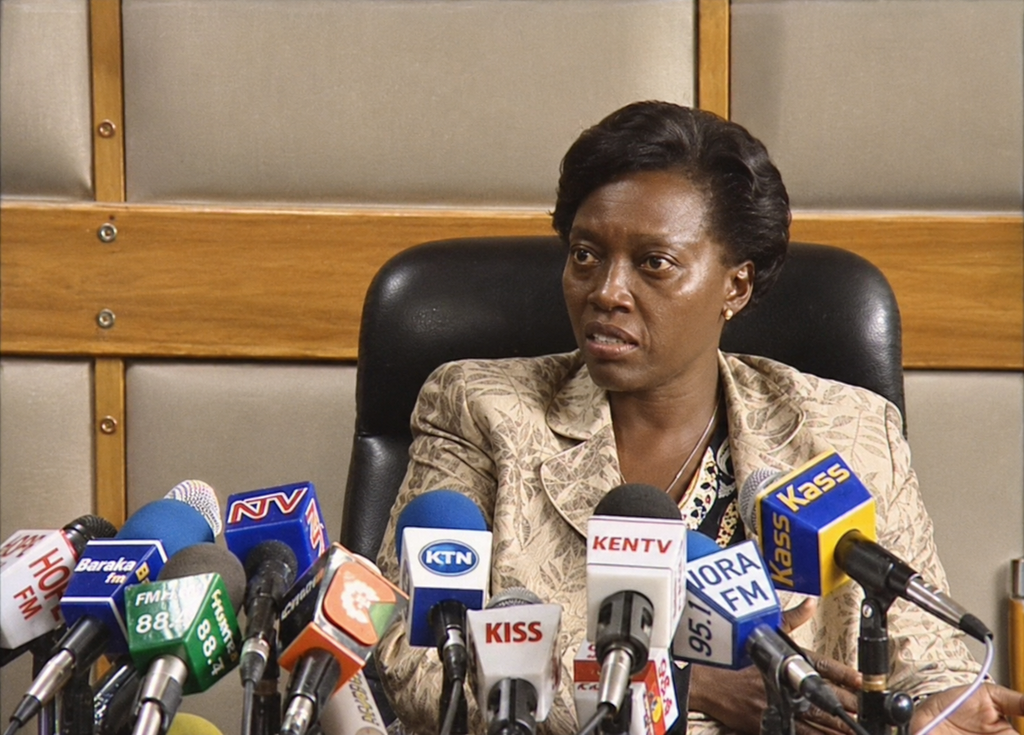
In the second episode of Katiba @ 16, Hon. Martha Karua reflects on the setbacks that delayed the constitutional review process, the political divisions that followed the 2002 change of government, the failed 2005 referendum and the events leading to the 2007 post-election violence. She also explains why, despite having played a key role in the coalition government formed after the violence, she eventually resigned as Minister of Justice.

The Women Who Challenged the Constitutional Review Process

After the Constitution of Kenya Review Act was passed, the process moved towards establishing a commission to oversee the review. Karua explains that the law provided for five women commissioners to be nominated by women’s organisations rather than political parties.

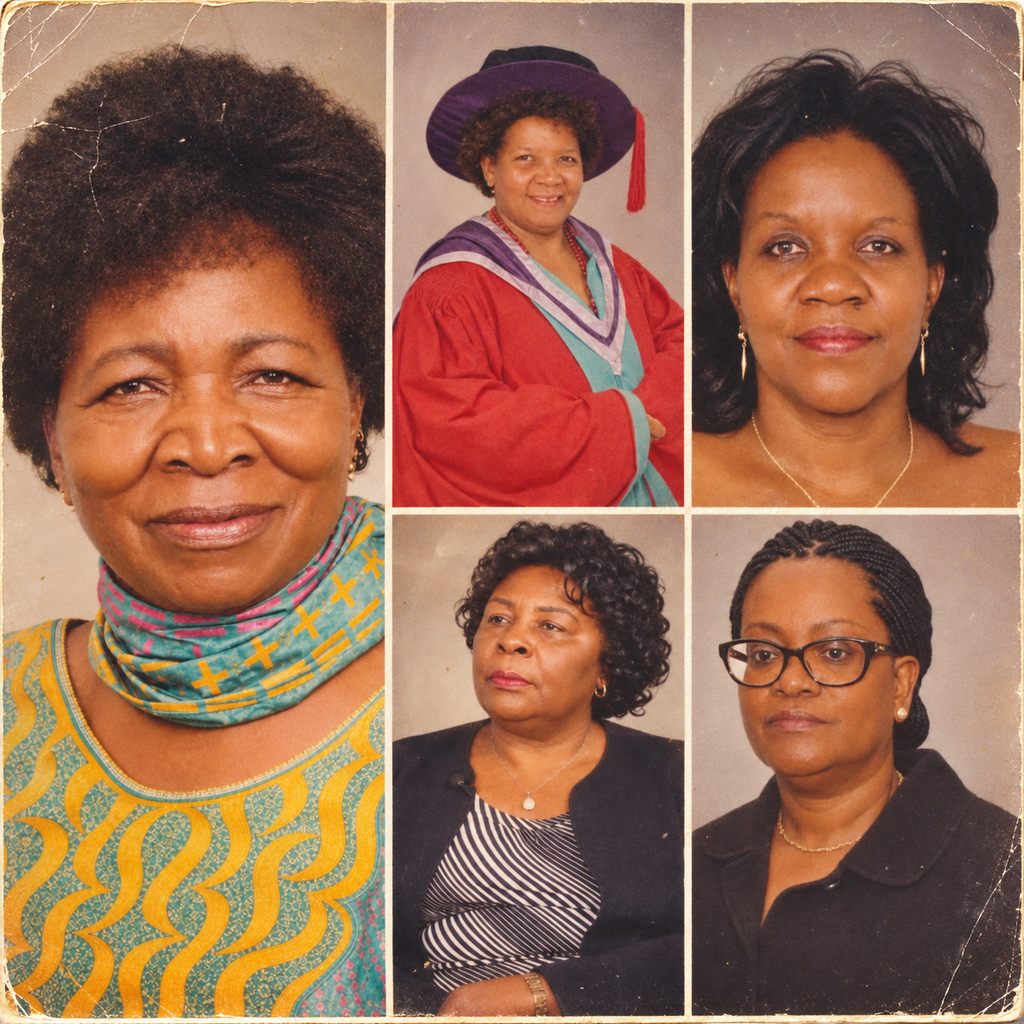
The intention, she says, was to ensure that the women selected were accountable to the women’s constituency, rather than appointed through political patronage. She chaired the panel responsible for the nominations. The 5 women selected were Nancy Barasa, Professor Wanjiku Kabira, Phoebe Asiyo, Salome Muigai, who represented persons with disabilities, and Abida Ali Aroni.

Their selection was contested. According to Karua, KANU opposed the nominations, divisions emerged within the women’s movement, and the process was taken to court. Justice Aanya dismissed the case, allowing the appointments to stand.

However, the dispute disrupted the constitutional review process. With the government-backed commission stalled, religious organisations, civil society groups and opposition parties under the Ufungamano initiative established a parallel process, incorporating the five women commissioners alongside representatives of the people’s initiative.

The country was now pursuing constitutional reform through competing processes.

Bringing the Two Processes Together

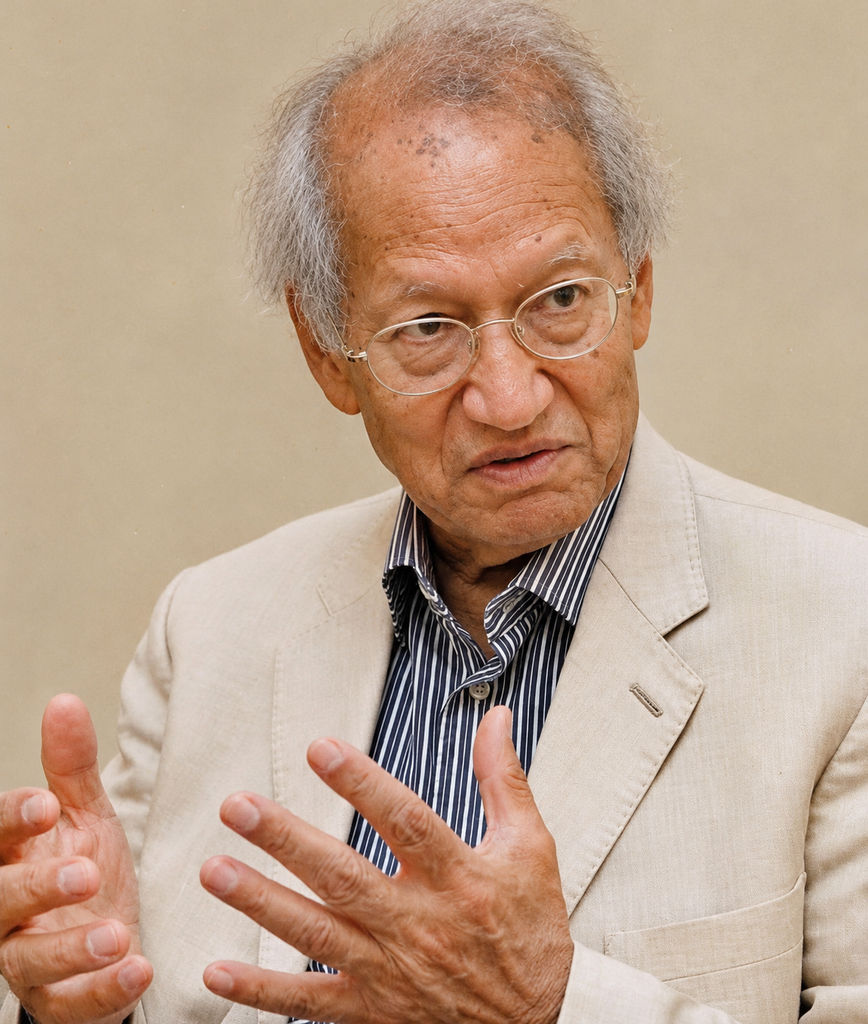
By around 2001, the government recognised that the review could not progress effectively while the two initiatives remained separate. Professor Yash Pal Ghai was brought in to lead the process on the condition that the commissions would be merged.

Ghai engaged the opposition and helped bring the two sides together. This required changes to the law to accommodate the expanded commission.

But the merger faced another political test in Parliament. Karua recalls that KANU attempted to introduce a draft law without agreement, prompting the opposition to plan a walkout. Although she agreed with her colleagues’ objections, she decided to remain in Parliament to put her dissent on record. She informed her party leader, Mwai Kibaki, who allowed her to stay.

She was left alone on the opposition benches as she faced more than 100 KANU MPs. Recalling repeated interruptions through points of order, she credits then Speaker Francis ole Kaparo with eventually directing that she be heard in silence.

Hon. Karua recorded her objections in the parliamentary Hansard, insisting that the legislation needed to reflect the agreement reached on merging the two commissions. The law was eventually amended, allowing the merged process to proceed.

Yet the constitutional review suffered another setback in 2002 when police dispersed the national conference at Bomas as the country approached the general election. Kenya went to the polls without a new constitution.

The 100-Day Promise That Fell Apart

Constitutional reform became one of the promises of the opposition coalition that defeated KANU in 2002. The National Rainbow Coalition pledged to deliver a new constitution within 100 days.

Karua says this should have been achievable because the review process had already advanced to the national conference stage. However, disagreements within the new coalition undermined the promise.

President Mwai Kibaki’s serious illness soon after taking office added to the uncertainty. While the public received limited information about his condition, political camps began to form around the possibility of a change in the presidency.

According to Karua, the divisions were never fully resolved. They carried into the constitutional review process, where political actors increasingly approached the debate through competing loyalties rather than a shared national agenda.

The 2005 Referendum and a Divided Government

Those divisions became more visible during the 2005 constitutional referendum.

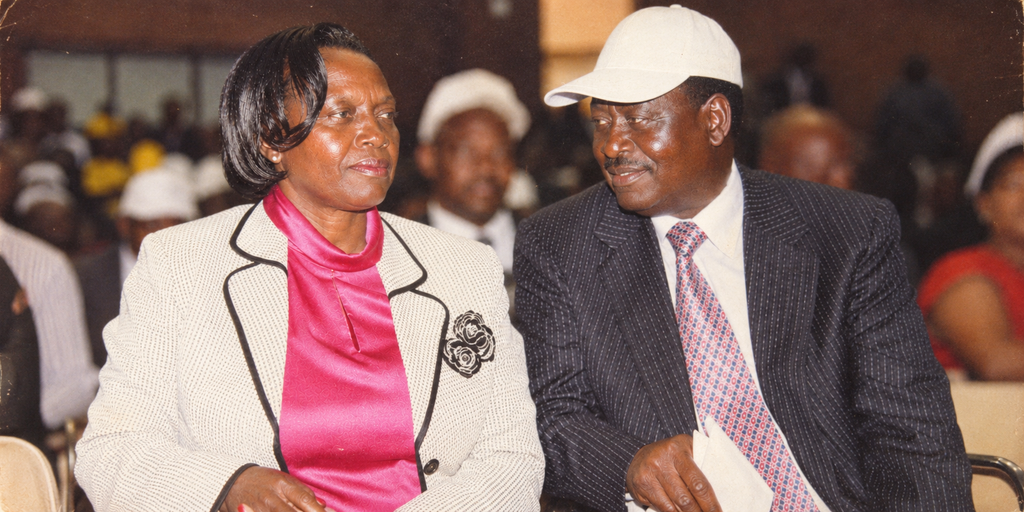
Karua was part of the campaign supporting the proposed constitution, whose symbol was the banana. The opposing side, associated with Raila Odinga and the emerging Orange Democratic Movement, campaigned against the draft, arguing that the Bomas process had produced a document that favoured their rivals.

She acknowledges that the competing camps held different views about the draft and its preparation. The referendum ultimately rejected the proposed constitution, with the “No” side receiving 56% of the vote against 44% for “Yes.”

The defeat deepened divisions within the coalition that had taken power in 2002. Kibaki subsequently dismissed ministers who had campaigned against the draft, including Raila Odinga and other members of the government.

For Karua, this marked a further breakdown in the political partnership that had brought the coalition to power.

From Political Divisions to the 2007 Crisis

Hon. Karua argues that the divisions following the referendum helped create a poisonous political atmosphere ahead of the 2007 elections.

As Minister of Justice, she says she attempted to secure minimum reforms before the election through a stakeholder meeting. The initiative initially appeared promising but collapsed after disagreements and disruption.

She also advised Kibaki to establish a committee of eminent persons, headed by Bethwell Kiplagat, to travel around the country and identify public grievances. Furthermore, she tried to persuade Raila Odinga and his allies to participate, but they declined. Without both sides involved, she says, the committee’s recommendations lacked the support needed for implementation.

The 2007 election took place amid deep political and ethnic divisions. The disputed outcome was followed by post-election violence. Karua recalls that, during the negotiations that followed, completing the stalled constitutional review process became one of the commitments agreed upon as part of the formation of a grand coalition government.

Completing the Constitutional Review

Hon. Martha Karua retained a ministerial role in the grand coalition government, becoming Minister of Justice, National Cohesion and Constitutional Affairs. One of her responsibilities was to revive the constitutional review process.

She introduced the Constitution of Kenya Review Act 2008, which was designed to keep the process moving within a defined timeline, even if political disagreements emerged. The framework enabled the review to resume in 2009 and culminate in the adoption of the 2010 Constitution.

Karua credits the officials who worked with her in the ministry for helping develop the legislation and establish a process that could progress without being repeatedly derailed.

However, she resigned as minister in April 2009, before the constitutional review was completed.

Why Karua Resigned From Cabinet

Karua says her resignation was driven by what she regarded as the undermining of her ministry and its responsibilities.

Her portfolio covered the administration of justice, national cohesion, the fight against corruption and human rights. She argues that appointments were being made without her advice and that she was not receiving sufficient support from the presidency on key matters within her docket.

She was particularly concerned about reports of extrajudicial killings during the crackdown on the Mungiki sect. Citing reports by human rights organisations, she argued that suspects should be taken through the courts rather than killed.

Karua also recalls having previously advised the Kibaki government on the need for ministers to step aside to facilitate investigations into the Anglo Leasing scandal. She saw that experience as an example of the importance of accountability in government.

By 2009, she felt that the same commitment to justice and human rights was not being upheld consistently. Continuing in office, she concluded, would mean drawing a salary without being able to perform the work she had been appointed to do.

She therefore resigned and returned to the backbenches of Parliament.

A Constitution Shaped by Political Setbacks

Karua’s account presents the journey to the 2010 Constitution as a process repeatedly interrupted by disputes over political power, disagreements within coalitions and competing approaches to reform.

The 100-day promise failed, the 2005 referendum exposed divisions within the government, and efforts to reach agreement before the 2007 election did not succeed. It was only after the post-election violence, through the grand coalition and a renewed legal framework, that the review process moved towards completion.

Her resignation came before that work was finished, but the legislation she introduced in 2008 helped establish the process that ultimately delivered the 2010 Constitution.

The episode offers a central lesson from Karua’s experience: constitutional reform depends not only on drafting laws, but also on political agreement, institutional independence and the willingness of leaders to uphold the commitments they make.

Watch Full Episode

Back

The Law as a Weapon and the Push for a New Constitution | Martha Karua, SC

Martha Karua traces constitutional reform in Kenya, from KANU-era courtrooms to the road to 2010.

October 26, 2026 6 min read

Before Kenya got the 2010 Constitution, there were decades of activism, political struggle and legal reform that laid the groundwork for it.

In the first episode of Katiba @ 16, Hon. Martha Karua reflects on that journey, drawing from her own experience as a lawyer, activist, legislator and participant in the constitutional review process.

Hon. Karua was the Member of Parliament for Gichugu Constituency for 20 consecutive years and served in the 13th Parliament, the Parliament that ushered in the 2010 Constitution. She was part of the committee that reviewed the Constitution and later served on the Committee of Implementation following the 2010 referendum. In her words, she was one of the “midwives” of the Constitution.

But her journey into constitutional reform began much earlier.

From the Judiciary to Activism

Karua began her career as a magistrate in July 1981, serving in Nakuru and several stations in Nairobi, including as the head of Makadara Law Courts and later Kibera Law Courts.

She left the judiciary in 1987 and entered legal practice. It was through legal practice that she became increasingly involved in activism during the KANU era, as democratic space narrowed.

As a young lawyer, barely 30, Karua and other lawyers began challenging the leadership of the Law Society of Kenya, which they felt was not sufficiently standing up for rights under the LSK Act. When the leadership failed to convene meetings they had requisitioned, the lawyers convened them themselves.

Some of these meetings were held at the Intercontinental Hotel, where police were sometimes sent to prevent the lawyers from meeting.

For Karua, this was where activism was born out of necessity. Lawyers had a legal right to assemble, yet the government was restricting that freedom.

She draws a connection between that period and the present, noting that Kenyans today have a constitutional right to assemble under the 2010 Constitution. The difference, in her view, is that while courts at the time often did not stand up for activists, there are now judges and magistrates who can interpret and apply the Constitution in their favour.

Karua also recalls cases where political speech was turned into criminal charges. She refers to Kyiwam and his co-accused, who were charged with treason over a pamphlet carrying the words “we shall fight for our rights.” The government, she says, treated the word “fight” literally.

She describes this as lawfare: the use of legal processes in politically motivated ways. She draws parallels with cases involving opposition figures in Uganda and Tanzania, including Bobi Wine and Tundu Lissu.

Her broader warning is that democratic space, after becoming more open, can begin to close again. For her, that makes defending the 2010 Constitution an ongoing responsibility.

The 1992 Elections and the Cost of Political Disunity

Karua’s activism eventually made her a household name in Kenya. When Kenya returned to multiparty politics in 1992, she ran for Parliament and was elected Member of Parliament for Gichugu Constituency.

The 1992 election also demonstrated the political cost of a divided opposition. Mwai Kibaki’s Democratic Party, Kenneth Matiba’s FORD-Asili and Jaramogi Oginga Odinga’s FORD-Kenya collectively received 67% of the vote, but KANU won with 33% after the opposition vote was split.

Karua also points to the delimitation of constituencies as another factor that prevented the opposition’s share of the vote from translating into parliamentary power. KANU retained a parliamentary majority, leaving opposition MPs with limited ability to pass legislation.

It was against this background that civil society and political actors began pushing for reforms ahead of the 1997 elections under the call “No Reform, No Election.”

Bringing the Reform Fight Into Parliament

While many political leaders and civil society actors gathered at Ufungamano, Karua chose to pursue reform through Parliament. Her position was not that she disagreed with the movement outside Parliament, but that, as an elected representative, she needed to make full use of the parliamentary forum.

MPs from different political sides came together and established an initiative for constitutional and legal reform. At a time when confrontations between demonstrators and police were becoming increasingly violent, the parliamentary process provided another avenue for pursuing change.

The initiative received live coverage from KBC, and Parliament provided a secretariat for the work. Three committees were formed, including a constitutional committee and a legal reforms committee. Karua served on the constitutional committee, which had 20 members.

The work that followed would produce reforms that helped lay the foundation for the later constitutional review process.

Reforming the Law Before Rewriting the Constitution

Among the reforms was the removal of discrimination based on sex. Karua recalls that the old Constitution used the word “sex” rather than “gender.”

The reforms also addressed representation. Of the 12 nominated parliamentary seats, an amendment provided that nominees would include both men and women, six each; and that the seats would be shared among parties according to their parliamentary strength.

This was significant because previously KANU could nominate all the members despite the opposition having won a larger share of the vote.

A similar provision was introduced for local authorities. The changes ensured that women would be nominated to county councils across the country.


It was not a 50/50 system, but Karua describes the change as revolutionary because there was no party or county council without a woman.

These reforms, she says, helped pave the way for the constitutional review process that followed.

The Beginning of the Constitutional Review Process

After being re-elected in 1997, Karua and other parliamentarians formed the Inter-Parties Parliamentary Committee to steer constitutional and legal reforms.

In drafting the Constitution of Kenya Review Act of 1998, they included a provision that one-third of the membership of all organs involved in the review process would be women.

Karua identifies this as an early point in the development of gender quotas in Kenya, even though the term itself was not being used at the time.

A broader meeting involving parliamentarians, civil society and political parties was then convened to select the committee that would drive the review process. Karua and Professor Wanjiku Kabira were appointed joint secretaries of the 15-member committee, which included five women.

The review architecture that followed included the constitutional commission, committees at the local level and a national convention or conference. Because the review organs were required to have at least one-third women, gender representation became part of the structure through which the constitutional review was undertaken.

There was, however, one major exception: Parliament itself.

In the 1997 elections, only four of the six women MPs who had been elected or nominated previously returned. Although the law required six of the 12 nominated seats to go to women, KANU nominated seven men and five women after Moi won a second term.

Karua and others challenged the decision in court, but the case was never determined before the parliamentary term ended. By then, the political landscape had changed, and Mwai Kibaki had come to power.

Karua’s account of the period shows that the 2010 Constitution did not emerge in isolation. Its foundations were built through years of legal activism, political negotiations and attempts to expand representation and democratic space; long before the final constitutional document was put to a referendum.

Watch The Episode Now