Kenya’s 2010 Constitution was the result of a long and contested process. Before its adoption, constitutional reform repeatedly ran into political divisions, disputes over power and disagreements over how the country should be governed.
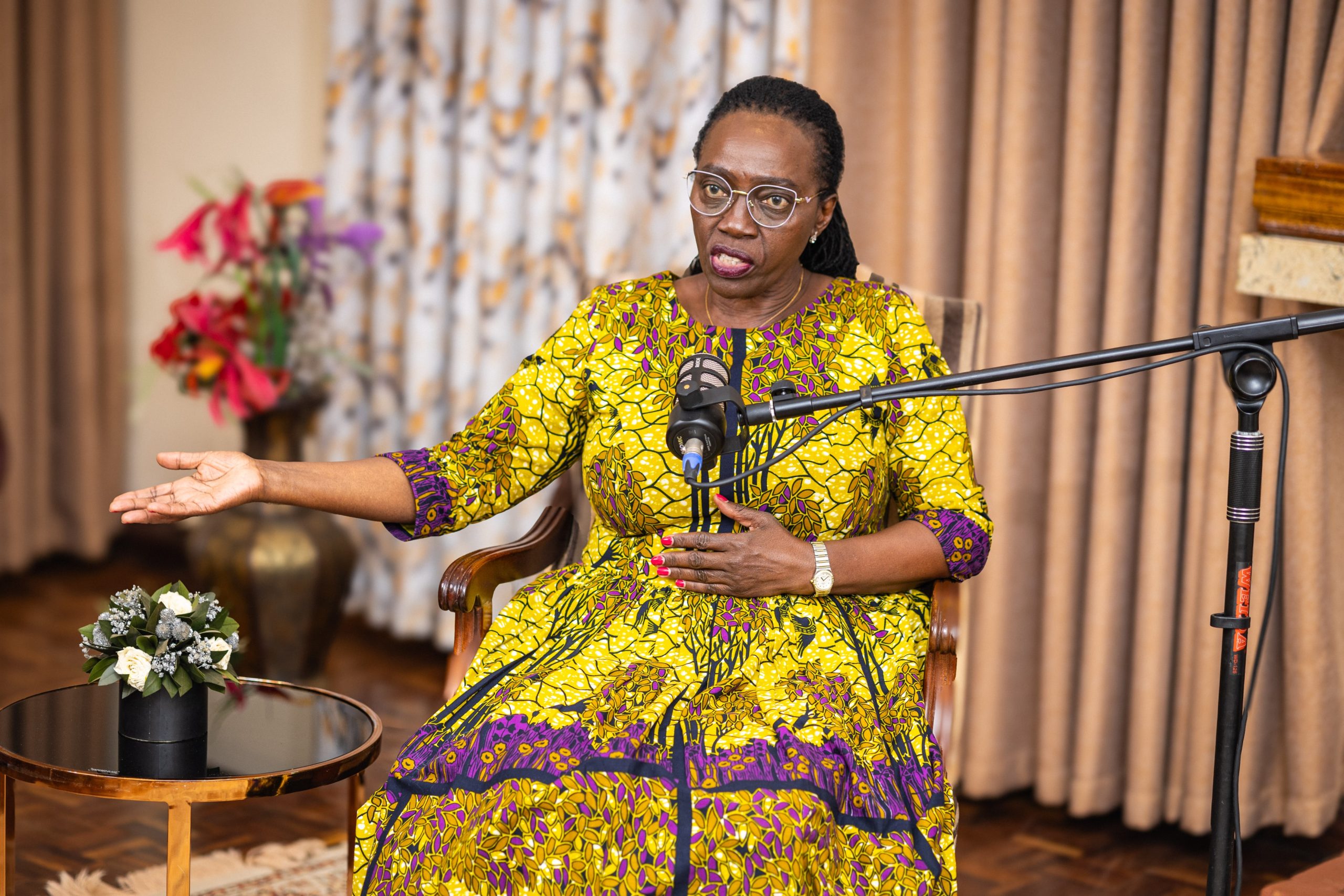
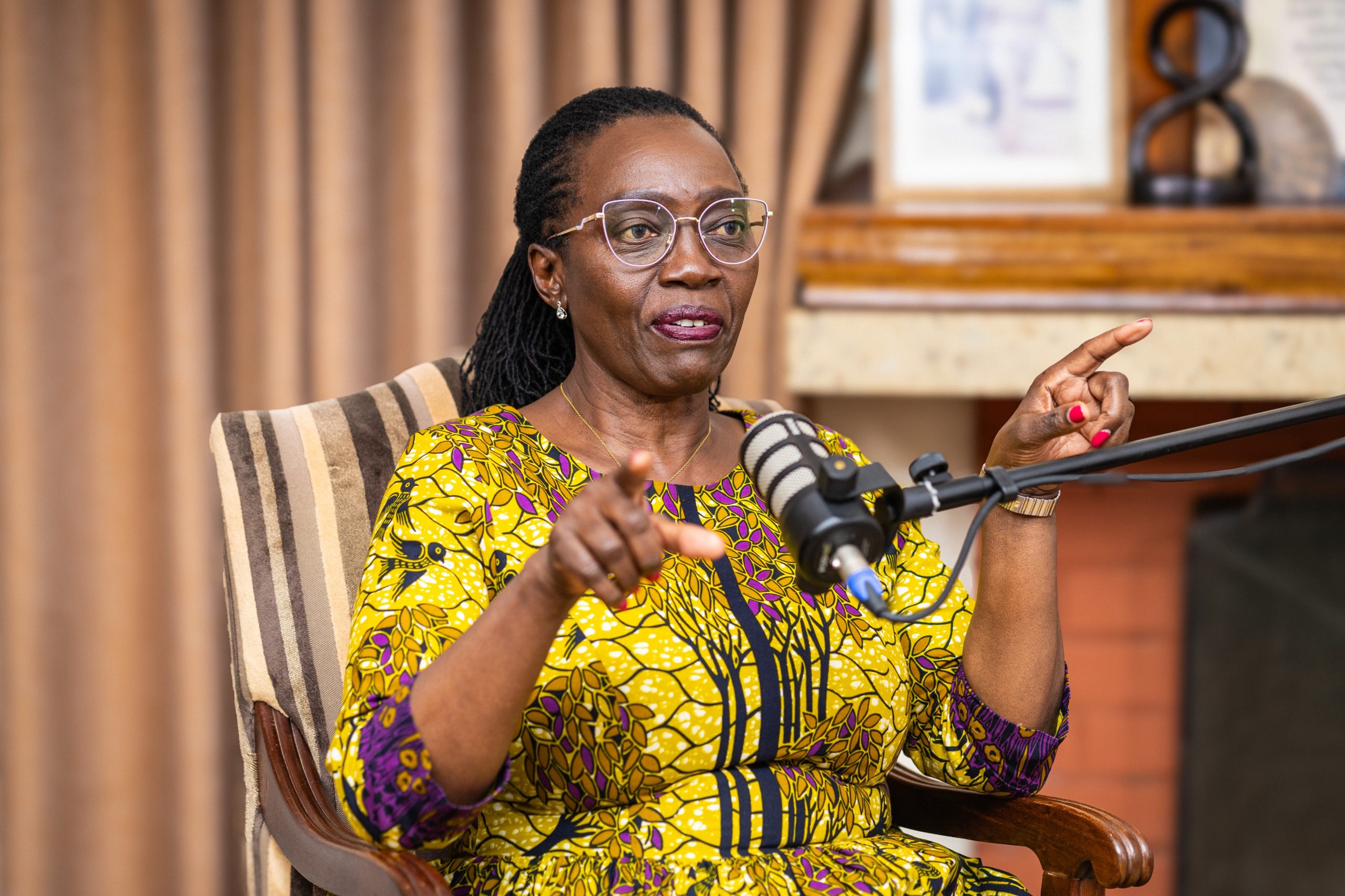
In the second episode of Katiba @ 16, Hon. Martha Karua reflects on the setbacks that delayed the constitutional review process, the political divisions that followed the 2002 change of government, the failed 2005 referendum and the events leading to the 2007 post-election violence. She also explains why, despite having played a key role in the coalition government formed after the violence, she eventually resigned as Minister of Justice.
The Women Who Challenged the Constitutional Review Process
After the Constitution of Kenya Review Act was passed, the process moved towards establishing a commission to oversee the review. Karua explains that the law provided for five women commissioners to be nominated by women’s organisations rather than political parties.
The intention, she says, was to ensure that the women selected were accountable to the women’s constituency, rather than appointed through political patronage. She chaired the panel responsible for the nominations. The 5 women selected were Nancy Barasa, Professor Wanjiku Kabira, Phoebe Asiyo, Salome Muigai, who represented persons with disabilities, and Abida Ali Aroni.
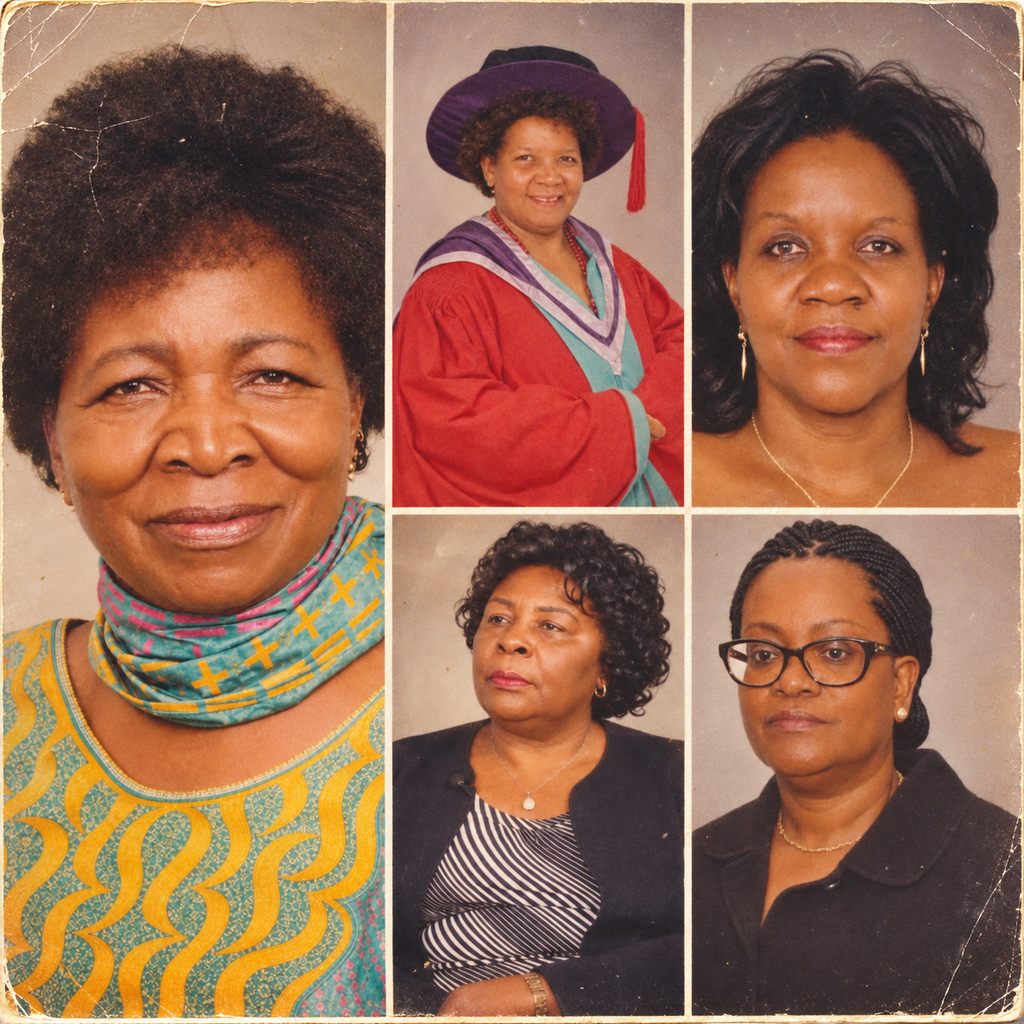
Their selection was contested. According to Karua, KANU opposed the nominations, divisions emerged within the women’s movement, and the process was taken to court. Justice Aanya dismissed the case, allowing the appointments to stand.
However, the dispute disrupted the constitutional review process. With the government-backed commission stalled, religious organisations, civil society groups and opposition parties under the Ufungamano initiative established a parallel process, incorporating the five women commissioners alongside representatives of the people’s initiative.
The country was now pursuing constitutional reform through competing processes.
Bringing the Two Processes Together
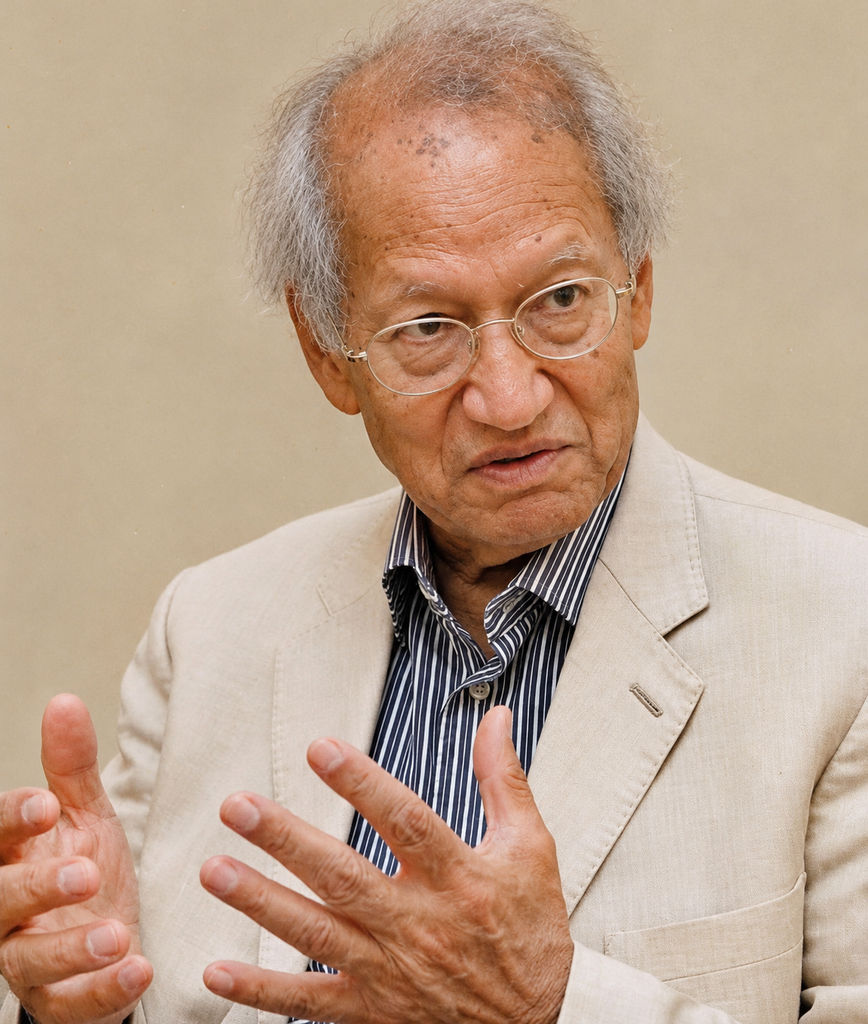
By around 2001, the government recognised that the review could not progress effectively while the two initiatives remained separate. Professor Yash Pal Ghai was brought in to lead the process on the condition that the commissions would be merged.
Ghai engaged the opposition and helped bring the two sides together. This required changes to the law to accommodate the expanded commission.
But the merger faced another political test in Parliament. Karua recalls that KANU attempted to introduce a draft law without agreement, prompting the opposition to plan a walkout. Although she agreed with her colleagues’ objections, she decided to remain in Parliament to put her dissent on record. She informed her party leader, Mwai Kibaki, who allowed her to stay.
She was left alone on the opposition benches as she faced more than 100 KANU MPs. Recalling repeated interruptions through points of order, she credits then Speaker Francis ole Kaparo with eventually directing that she be heard in silence.
Hon. Karua recorded her objections in the parliamentary Hansard, insisting that the legislation needed to reflect the agreement reached on merging the two commissions. The law was eventually amended, allowing the merged process to proceed.
Yet the constitutional review suffered another setback in 2002 when police dispersed the national conference at Bomas as the country approached the general election. Kenya went to the polls without a new constitution.
The 100-Day Promise That Fell Apart
Constitutional reform became one of the promises of the opposition coalition that defeated KANU in 2002. The National Rainbow Coalition pledged to deliver a new constitution within 100 days.
Karua says this should have been achievable because the review process had already advanced to the national conference stage. However, disagreements within the new coalition undermined the promise.
President Mwai Kibaki’s serious illness soon after taking office added to the uncertainty. While the public received limited information about his condition, political camps began to form around the possibility of a change in the presidency.
According to Karua, the divisions were never fully resolved. They carried into the constitutional review process, where political actors increasingly approached the debate through competing loyalties rather than a shared national agenda.
The 2005 Referendum and a Divided Government
Those divisions became more visible during the 2005 constitutional referendum.
Karua was part of the campaign supporting the proposed constitution, whose symbol was the banana. The opposing side, associated with Raila Odinga and the emerging Orange Democratic Movement, campaigned against the draft, arguing that the Bomas process had produced a document that favoured their rivals.
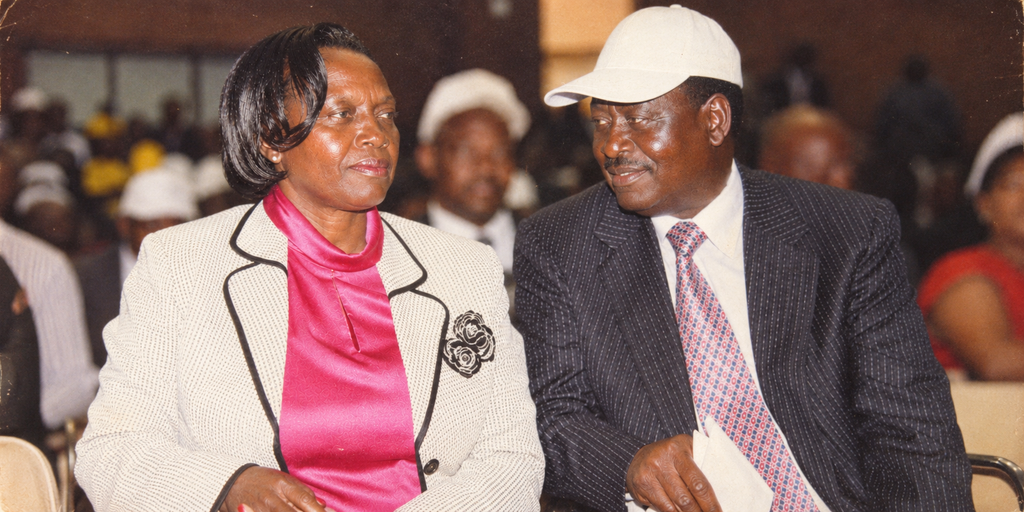
She acknowledges that the competing camps held different views about the draft and its preparation. The referendum ultimately rejected the proposed constitution, with the “No” side receiving 56% of the vote against 44% for “Yes.”
The defeat deepened divisions within the coalition that had taken power in 2002. Kibaki subsequently dismissed ministers who had campaigned against the draft, including Raila Odinga and other members of the government.
For Karua, this marked a further breakdown in the political partnership that had brought the coalition to power.
From Political Divisions to the 2007 Crisis
Hon. Karua argues that the divisions following the referendum helped create a poisonous political atmosphere ahead of the 2007 elections.
As Minister of Justice, she says she attempted to secure minimum reforms before the election through a stakeholder meeting. The initiative initially appeared promising but collapsed after disagreements and disruption.
She also advised Kibaki to establish a committee of eminent persons, headed by Bethwell Kiplagat, to travel around the country and identify public grievances. Furthermore, she tried to persuade Raila Odinga and his allies to participate, but they declined. Without both sides involved, she says, the committee’s recommendations lacked the support needed for implementation.
The 2007 election took place amid deep political and ethnic divisions. The disputed outcome was followed by post-election violence. Karua recalls that, during the negotiations that followed, completing the stalled constitutional review process became one of the commitments agreed upon as part of the formation of a grand coalition government.
Completing the Constitutional Review
Hon. Martha Karua retained a ministerial role in the grand coalition government, becoming Minister of Justice, National Cohesion and Constitutional Affairs. One of her responsibilities was to revive the constitutional review process.
She introduced the Constitution of Kenya Review Act 2008, which was designed to keep the process moving within a defined timeline, even if political disagreements emerged. The framework enabled the review to resume in 2009 and culminate in the adoption of the 2010 Constitution.
Karua credits the officials who worked with her in the ministry for helping develop the legislation and establish a process that could progress without being repeatedly derailed.
However, she resigned as minister in April 2009, before the constitutional review was completed.
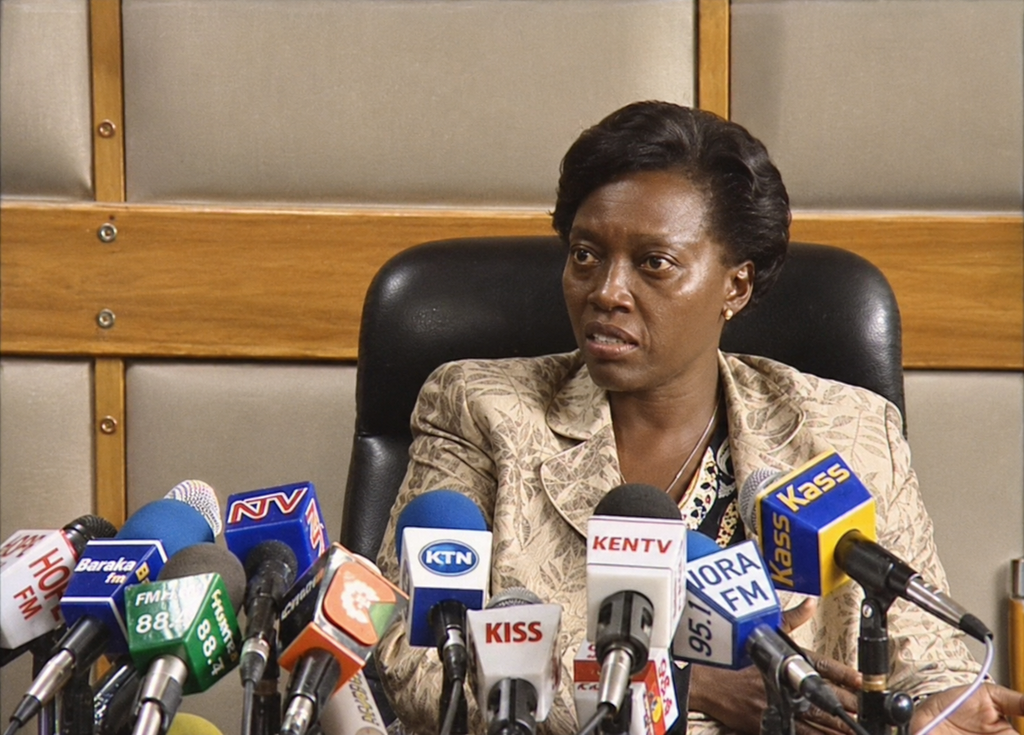
Why Karua Resigned From Cabinet
Karua says her resignation was driven by what she regarded as the undermining of her ministry and its responsibilities.
Her portfolio covered the administration of justice, national cohesion, the fight against corruption and human rights. She argues that appointments were being made without her advice and that she was not receiving sufficient support from the presidency on key matters within her docket.
She was particularly concerned about reports of extrajudicial killings during the crackdown on the Mungiki sect. Citing reports by human rights organisations, she argued that suspects should be taken through the courts rather than killed.
Karua also recalls having previously advised the Kibaki government on the need for ministers to step aside to facilitate investigations into the Anglo Leasing scandal. She saw that experience as an example of the importance of accountability in government.
By 2009, she felt that the same commitment to justice and human rights was not being upheld consistently. Continuing in office, she concluded, would mean drawing a salary without being able to perform the work she had been appointed to do.
She therefore resigned and returned to the backbenches of Parliament.
A Constitution Shaped by Political Setbacks
Karua’s account presents the journey to the 2010 Constitution as a process repeatedly interrupted by disputes over political power, disagreements within coalitions and competing approaches to reform.
The 100-day promise failed, the 2005 referendum exposed divisions within the government, and efforts to reach agreement before the 2007 election did not succeed. It was only after the post-election violence, through the grand coalition and a renewed legal framework, that the review process moved towards completion.
Her resignation came before that work was finished, but the legislation she introduced in 2008 helped establish the process that ultimately delivered the 2010 Constitution.
The episode offers a central lesson from Karua’s experience: constitutional reform depends not only on drafting laws, but also on political agreement, institutional independence and the willingness of leaders to uphold the commitments they make.